
How to Prepare for the LTO Written Exam in the Philippines: Road Signs, Traffic Rules, and Practice Questions
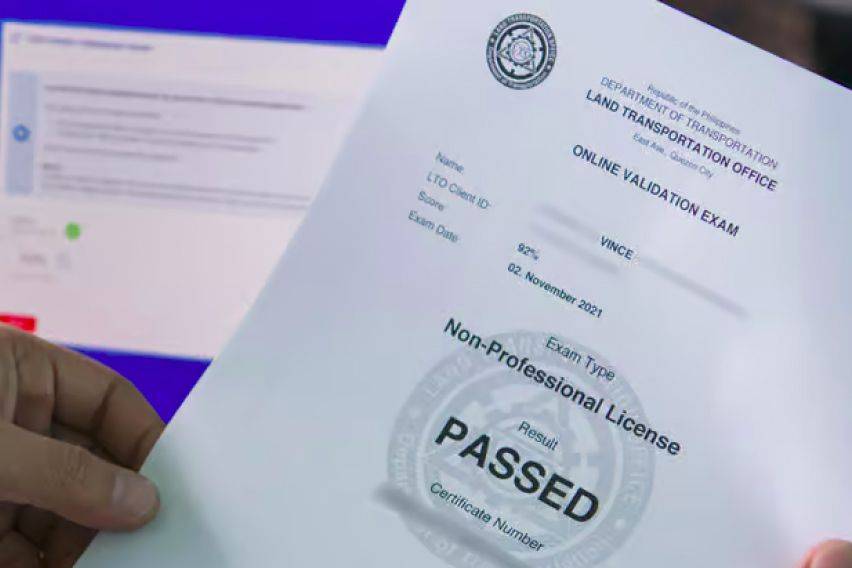
Preparing for a driver’s licence in the Philippines requires a good understanding of local traffic rules, road signs, and safe driving practices. Whether you are applying for a student permit or preparing for a non-professional or professional driver’s licence, knowing what to study can make your preparation more organized. An lto exam reviewer can help Filipino applicants practise relevant questions, review important driving concepts, and identify topics they need to study further.
The Land Transportation Office (LTO) is responsible for driver licensing and vehicle-related regulatory services in the Philippines. Before taking an applicable examination, applicants should familiarize themselves with Philippine traffic regulations and consult current LTO guidance for their licence category. A combination of theory review, practice questions, and supervised driving experience provides a more useful foundation than memorizing answers alone.
1. Understand the LTO Written Exam
The LTO written examination assesses an applicant’s knowledge of traffic rules, road safety, and responsible driving. The relevant assessment and requirements depend on the type of application and current LTO procedures.
Filipino applicants should pay particular attention to:
- Philippine road signs and traffic signals
- Road markings and lane rules
- Right-of-way at intersections
- Speed limits and safe driving distances
- Overtaking, turning, and parking regulations
- Defensive driving and accident prevention
- Driver responsibilities and traffic violations
If you are applying for a student permit, non-professional licence, or professional licence, check the applicable requirements before preparing. The official LTO website and authorized driver education resources are the best starting points for confirming current procedures.
2. Learn Philippine Road Signs and Traffic Signals
Road signs help drivers understand restrictions, identify hazards, and navigate roads safely. For the LTO examination, focus on what each sign means and how a driver should respond.
Regulatory signs communicate rules that motorists must follow. These include Stop, No Entry, speed-limit, and parking restriction signs.
Warning signs alert drivers to potential hazards, including sharp curves, intersections, pedestrian crossings, and road construction.
Guide signs provide directions, route information, and details about destinations or facilities.
Traffic signals and pavement markings also matter. Applicants should understand traffic-light indications, lane markings, pedestrian crossings, and directional arrows.
How to remember road signs
Instead of memorizing signs individually without context, group them according to their purpose. Write down each sign’s meaning and the action expected from the driver.
For example, when approaching a Stop sign, a driver must stop completely, check the surroundings, and proceed only when it is safe and permitted. Practising these scenarios helps connect the sign’s meaning with an appropriate driving decision.
3. Study Philippine Traffic Rules and Right-of-Way
Right-of-way rules are important because many road situations require drivers to make decisions while considering other motorists, pedestrians, and cyclists.
When studying Philippine traffic rules, review these common scenarios:
- Intersections: Follow traffic signals, signs, and applicable right-of-way rules instead of assuming another vehicle will stop.
- Pedestrian crossings: Watch for pedestrians and yield as required by the applicable rules and road conditions.
- Emergency vehicles: Make way safely and follow applicable traffic regulations without creating additional hazards.
- Overtaking: Check visibility, road markings, traffic conditions, and legal restrictions before attempting to pass another vehicle.
- Turning and changing lanes: Signal appropriately, check mirrors and blind spots, and make sure the manoeuvre is safe.
Do not rely on assumptions based on how drivers behave in everyday traffic. The examination tests knowledge of proper driving conduct, not simply common habits observed on busy roads.
4. Practise with LTO Exam Questions
Practice questions can help applicants identify areas that require additional revision. They are particularly useful when combined with explanations of Philippine traffic regulations and road safety principles.
After completing a practice session, review every incorrect answer. Ask yourself whether you misunderstood a road sign, forgot a rule, or overlooked an important detail in the question.
For example, if you repeatedly answer questions about intersections incorrectly, return to the relevant right-of-way rules before attempting another set. If road signs are your weak point, revise their meanings and practise identifying the correct response.
Avoid relying entirely on memorized answer keys. Question wording may differ, and understanding the underlying rule makes it easier to handle unfamiliar scenarios.
5. Prepare for the LTMS and Licence Application Process
The Land Transportation Management System (LTMS) is the LTO’s digital platform for applicable licensing and transportation services. Depending on the transaction, applicants may need to register for an account, access online services, or complete other prescribed steps.
Before beginning an application, confirm the requirements for your specific licence category. These may include eligibility conditions, identification documents, medical requirements, driver education, examinations, and applicable fees.
Keep your personal information accurate and use the official LTO platform when registering or accessing account services. Requirements can change, so avoid relying on outdated online instructions or information intended for a different licence category.
Remember that preparing for a written examination and completing an application are related but separate tasks. Passing an examination does not automatically mean every other licensing requirement has been completed.
6. Avoid Common Mistakes When Preparing for the LTO Exam
Many applicants make preparation harder than necessary by using ineffective study methods.
Memorizing answers without understanding the rules: Learn why an answer is correct so you can apply the same principle to a different scenario.
Ignoring road signs: Traffic signs, signals, and pavement markings are fundamental parts of safe driving and should receive regular attention.
Using outdated study materials: Check important information against current LTO guidance, especially when it concerns licensing procedures or regulations.
Studying only the night before: Divide the material into smaller sections and review them consistently over several days.
Confusing driving habits with legal requirements: Other road users may not always follow the rules. Your preparation should focus on lawful and safe driving decisions.
7. Follow a Seven-Day LTO Exam Study Plan
A simple schedule can help Filipino applicants organize their revision before an examination.
| Day | Study topic |
| Day 1 | Philippine road signs and their meanings |
| Day 2 | Traffic signals and pavement markings |
| Day 3 | Right-of-way and intersection rules |
| Day 4 | Overtaking, turning, parking, and speed management |
| Day 5 | Defensive driving and driver responsibilities |
| Day 6 | Practice questions and review of mistakes |
| Day 7 | Mixed revision and a timed practice session |
Adjust the schedule to your current knowledge and the requirements of your application. Spend more time on difficult subjects rather than repeating material you already understand.
This is a suggested personal study plan, not an official LTO examination schedule or a guarantee of passing.
Frequently Asked Questions
What should I study for the LTO written exam in the Philippines?
Focus on Philippine road signs, traffic regulations, right-of-way, road markings, defensive driving, and driver responsibilities. Check the applicable LTO materials for your licence category.
Can I use an online reviewer to prepare for the LTO exam?
Yes. Online reviewers can help you practise questions and identify weak areas. However, compare important information with current official LTO guidance and make sure you understand the rules behind the answers.
Is the LTO written exam the same for every licence type?
Not necessarily. Requirements and assessments can depend on the application and licence category. Confirm the applicable process with the LTO before preparing.
What is LTMS in the Philippines?
LTMS stands for Land Transportation Management System, the LTO’s digital platform for applicable licensing and transportation-related services.
Where can I check official LTO requirements?
Visit the official Land Transportation Office website at lto.gov.ph and consult the relevant guidance for your application.
Final Thoughts
Preparing for the LTO written exam is an important step toward becoming a responsible driver in the Philippines. By studying Philippine road signs, understanding local traffic regulations, practising relevant questions, and reviewing mistakes, applicants can build a stronger foundation for their examination.
Make sure your preparation materials reflect current LTO guidance and the requirements of your specific licence category. More importantly, use what you learn beyond the examination. Understanding traffic rules and practising safe driving habits can help protect you, your passengers, and other road users throughout your driving experience.