
7 Warning Signs You Need Professional Possum Removal in Sydney
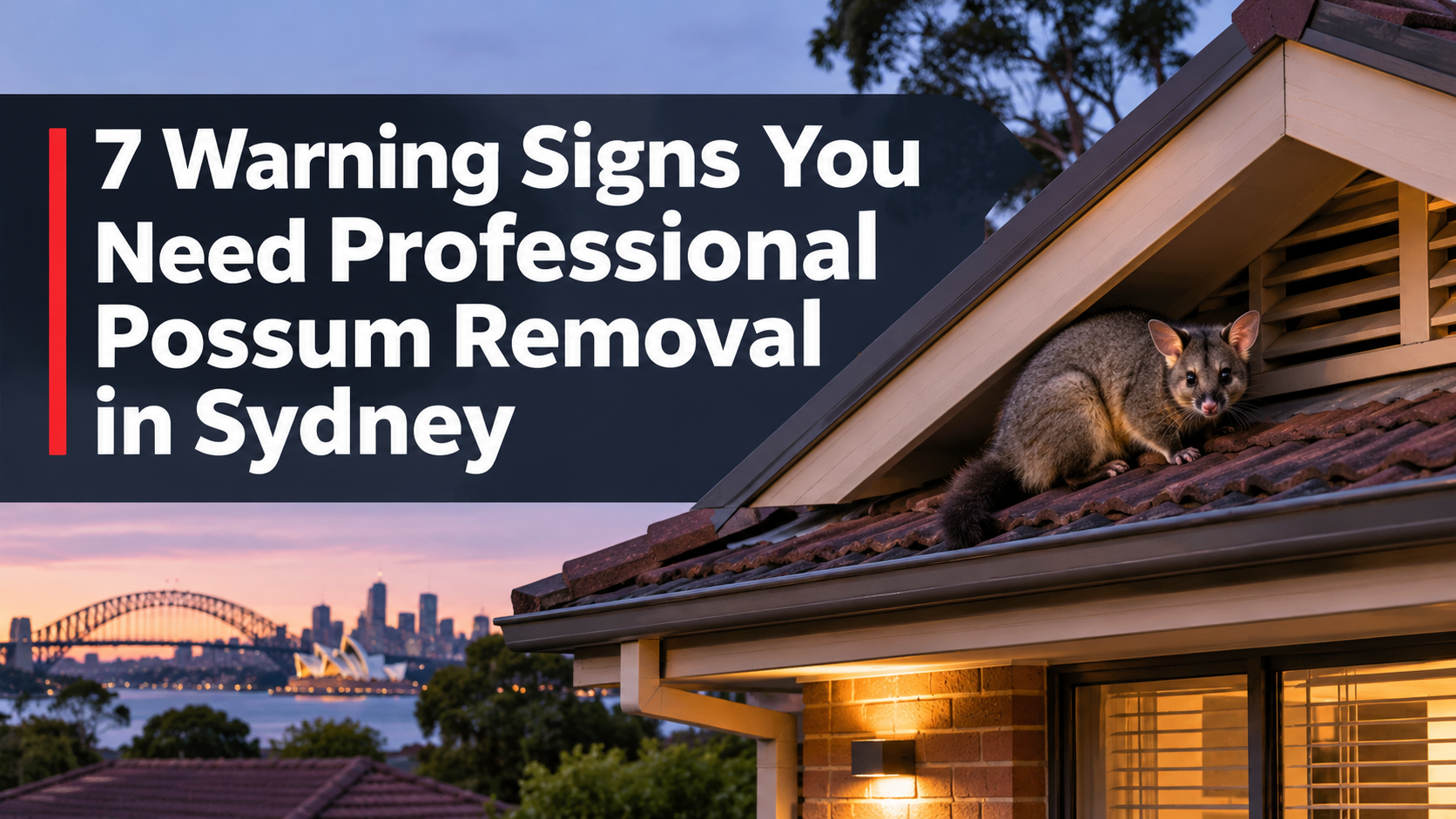
Possums are familiar visitors to Sydney gardens, particularly where mature trees, fences, and rooftops provide pathways. Watching one cross a backyard at dusk can be delightful. Sharing your ceiling with an active possum, however, is a different experience. These native marsupials sometimes enter roof cavities seeking secure daytime shelter, creating noise, damage, and difficult decisions for homeowners.
Knowing when occasional wildlife activity has become a household problem helps you respond before repairs become expensive. Because possums are protected in New South Wales, safe management also requires an understanding of legal responsibilities. Here are seven warning signs that professional assistance may be the sensible next step.
1. Loud Scratching and Thumping Keep Interrupting Your Sleep
A few sounds from the roof do not automatically indicate a possum. Birds, rodents, and moving building materials can produce similar disturbances. However, repeated heavy footsteps, scratching, and sudden thumps after sunset deserve closer attention.
Brushtail possums are large animals, so their movement may sound surprisingly forceful inside a ceiling. You might hear activity soon after dusk as an animal leaves its resting place, followed by more noise before sunrise when it returns.
Keep a brief record of when the sounds occur and where they seem strongest. Avoid climbing into a dark roof cavity to investigate. An experienced technician can identify likely occupants, assess access points, and recommend a suitable response without unnecessarily disturbing wildlife.
2. Droppings or Strong Odours Appear Around Your Home
Unusual smells are another reason to inspect the situation. Accumulated droppings and urine inside a roof can create persistent odours, especially during warm weather or in poorly ventilated spaces. Staining may eventually become visible on ceiling materials.
Possum droppings are generally larger than mouse droppings, but appearance alone is not a reliable identification method. Other animals may use the same area, and old waste can remain after an animal has moved elsewhere.
Watch for these accompanying clues:
- Dark stains near ceiling joints or roof access panels.
- Persistent smells concentrated in one section of the house.
- Droppings near suspected entry routes or outdoor resting spots.
Do not handle waste with bare hands or disturb dusty material unnecessarily. Professional inspection can establish the cause and determine whether cleaning, repairs, and animal exclusion are needed.
3. Roof Tiles, Vents, or Eaves Show Signs of Damage
Possums commonly exploit existing gaps rather than creating an entirely new opening. Loose tiles, damaged fascia boards, uncovered vents, and deteriorating eaves can offer access to warm, sheltered roof spaces.
Look for displaced materials, enlarged gaps, or marks around possible entry points. You may also notice branches touching the roof, giving wildlife an easy route from nearby trees. These signs matter even if you have not seen a possum indoors.
An opening that admits wildlife can also allow rainwater, insects, or other animals inside. However, sealing a hole immediately is risky when a possum may still be sheltering behind it. Qualified help is especially valuable when access points are high, difficult to inspect, or potentially occupied.
4. You Regularly See Possums Entering the Roof
Seeing a possum on a fence or tree is normal in many Sydney neighbourhoods. Seeing one repeatedly disappear beneath roof tiles, into an eave, or through a ventilation gap suggests that the building has become part of its sheltering routine.
Observe from a safe distance around dusk rather than trying to chase or corner the animal. Note the entry location and whether the same route is used on multiple evenings. If you spot more than one possum, avoid assuming they share the space peacefully or that every animal has left at the same time.
A specialist offering Sydney possum removal can assess the situation, identify suitable exclusion measures, and check whether an alternative nesting site could help. The aim should be to protect both the home and the animal, not simply move the problem elsewhere.
5. Insulation or Electrical Areas May Be Affected
An occupied roof cavity can suffer damage beyond minor noise. Movement through insulation may compress or displace sections, reducing their effectiveness. Nesting material and waste can also complicate maintenance work and create unpleasant conditions for anyone entering the space.
Electrical concerns require particular caution. If you notice flickering lights, unexplained circuit trips, a burning smell, or visible cable damage, contact a licensed electrician promptly. Do not assume a possum caused the issue, and never touch suspicious wiring yourself.
Wildlife technicians and electricians have different roles. A possum professional can address animal access and exclusion, while an electrician assesses the safety of electrical installations. Coordinating both services when necessary can prevent a wildlife problem from becoming a more serious household hazard.
6. The Same Problem Returns After Previous Attempts
Recurring activity often means the original access route remains open or another suitable gap exists nearby. Removing an animal without addressing the conditions that attracted it rarely provides a lasting solution. Possums are territorial, and another animal may eventually use an available shelter.
Some homeowners experiment with loud noises, bright lights, or homemade deterrents. These approaches may have limited or temporary results, particularly when a secure roof cavity remains accessible. Repeated attempts can also create stress for the animal without resolving the underlying issue.
If scratching returns soon after repairs or attempted exclusion, arrange a comprehensive assessment. Effective possum removal in Sydney should consider the full roofline, possible entry routes, timing of exclusion, and appropriate follow-up checks rather than focusing only on the place where sounds were first heard.
7. You Are Unsure How to Remove a Possum Legally
Legal uncertainty is itself a reason to seek professional guidance. Possums are protected native animals under New South Wales legislation. Capturing or relocating one without the relevant licence is unlawful, and moving an animal far from its territory can threaten its survival.
Licensed catch-and-release operators must follow strict conditions, including releasing a captured possum after sunset, on the property where it was caught, within 150 metres of the capture point, and beside something it can climb. These requirements help limit unnecessary harm.
If you suspect a mother has dependent young, do not block an entrance or attempt to separate them. Similarly, an injured, sick, or orphaned possum needs advice from a wildlife rescue organisation rather than ordinary household exclusion.
Professional Possum removal should begin with identification, legal compliance, and humane planning. Ask any provider about its current licence, inspection process, prevention recommendations, and handling of unexpected situations before booking.
What to Expect From a Responsible Possum Inspection
A thoughtful inspection does more than confirm an animal’s presence. The technician should investigate the suspected shelter, look for entry points, assess accessible damage, and explain an appropriate plan. Where practical, a nest box can provide alternative shelter nearby.
Before agreeing to work, clarify what the quoted service includes. Useful questions cover exclusion methods, roof repairs, return visits, and whether additional trades are required. Request an explanation of how the provider will confirm that no possum remains inside before openings are secured.
Homeowners can also reduce future access by maintaining roof materials, managing overhanging branches where appropriate, and checking vulnerable openings. These measures should complement, not replace, careful wildlife management.
Protect Your Home While Respecting Local Wildlife
Not every possum sighting is an emergency. Many animals travel through suburban gardens without causing problems, and coexistence is often straightforward. Persistent roof noise, strong odours, structural gaps, recurring entry, or safety concerns tell a different story.
Recognising these seven warning signs gives you time to act thoughtfully. Choose qualified assistance when needed, avoid unsafe trapping or premature sealing, and address the building vulnerabilities that made entry possible. The best outcome is a quieter, safer home alongside a protected native animal that can continue living within its familiar neighbourhood.